Replacement Windows in Carlsbad, CA
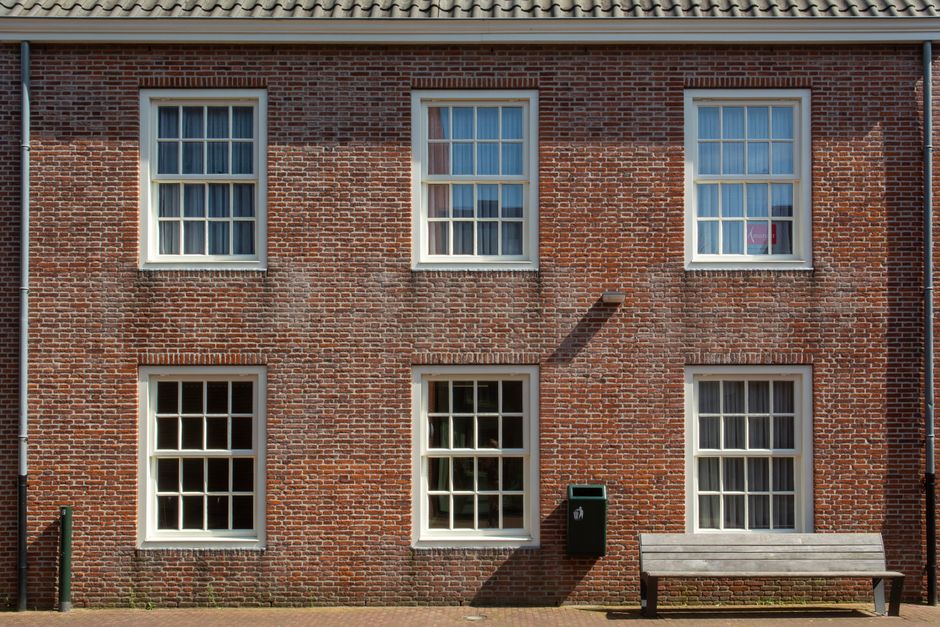
Plain answers about replacement windows in Carlsbad, CA, from salt air near Carlsbad State Beach to marine layer mornings, so you can plan your project and talk with installers knowing the right questions.
What We Cover
- Which Window Frame Materials Hold Up Best in Salt Air How vinyl, fiberglass, aluminum and wood frames respond to salt spray and coastal moisture near Carlsbad State Beach and the lagoons.
- How to Compare Window Installation Quotes What to look for in a written scope, glass ratings and warranty terms so you can compare window proposals on equal footing.
- How to Prepare Your Home for Window Replacement What to move, remove and plan before installers arrive so each window opening can be reached safely and the work goes smoothly.
- What Happens During a Replacement Window Installation A step by step look at retrofit and full frame installs, including how new windows are fitted into stucco walls.
- Why Do Windows Fog Up on Cool Coastal Mornings What causes condensation on glass near Agua Hedionda Lagoon and Batiquitos Lagoon, and when fog between panes means a failed seal.
- Does the Marine Layer Affect Window Installation How damp coastal mornings, fog and dew influence sealant work, scheduling and the order of a window install near the beach.
Replacement Windows in Carlsbad, CA
Window choices in Carlsbad are driven by the coast first and the house second. Salt air drifting in from Carlsbad State Beach settles on glass, tracks, and hardware, and damp marine layer mornings keep surfaces wet well past sunrise. This site is an informational guide to how replacement windows behave under those conditions in this part of San Diego County.
Exposure changes with distance from the water. A house a few blocks from the sand sees more salt than one near Interstate 5 or farther inland, and that difference shapes which materials and finishes make sense.
Lagoon-Side and Coastal Homes
Homes near Agua Hedionda Lagoon and Batiquitos Lagoon deal with extra moisture. Low ground and open water hold humidity, so condensation, mildew on sills, and swollen wood trim show up more often than on dry hillsides. Frame material, sill drainage, and the quality of the seal all matter more in these spots.
The same conditions run along the coast from Oceanside to Encinitas, so what applies in Carlsbad carries over to neighboring coastal towns.
Stucco Exteriors: Retrofit or Full Frame
Stucco often decides the installation method. Many Carlsbad homes have stucco exteriors, and the nailing flange of the old window is frequently buried under the stucco layer. A retrofit leaves the existing frame and stucco in place, while a full frame install removes the old unit down to the rough opening.
Retrofit disturbs less of the wall and keeps stucco repair small. Full frame is the better fit when the old frame is rotted, bent, or corroded, because flashing and waterproofing can be rebuilt properly around the opening.
On the Job Site
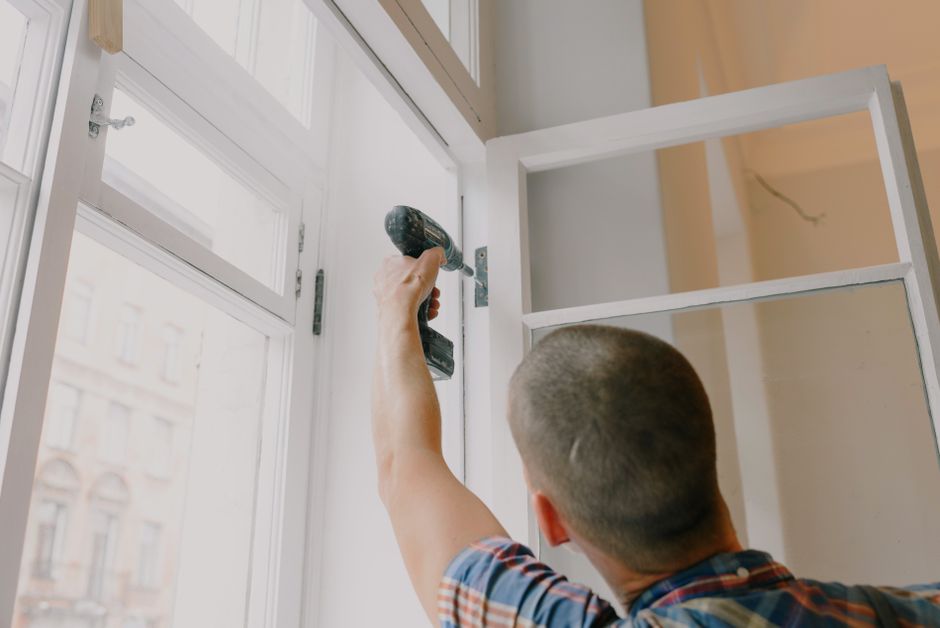
A crew works through one opening at a time: remove the sash and frame, inspect the opening for damage, set the new unit level and plumb, shim, fasten, seal, and flash. Wet mornings can interfere with sealant and tape adhesion, so crews check surface moisture before closing up an opening.
Clear access keeps the work in order. Furniture moved back from the wall, blinds taken down, and an open path to each window let the crew move from one opening to the next without delays.
Guides
The guides cover how to prepare your home for window replacement, which frame materials hold up best in salt air, what happens during an installation, and whether the marine layer affects the work. They also explain why windows fog up on cool coastal mornings and how to compare window installation quotes, all in plain mechanical terms.
Latest Guides
Replacement Windows for Freeway Noise in Carlsbad, CA
2026-10-26
Yes, replacement windows can noticeably reduce freeway noise in a Carlsbad home, but the result depends on the glass type, how tightly the window seals, and how well it is installed. A window labeled "dual pane" is not automatically an acoustic window. Expect a clear drop in traffic sound, not silence.
Why Freeway Noise Is Hard to Block
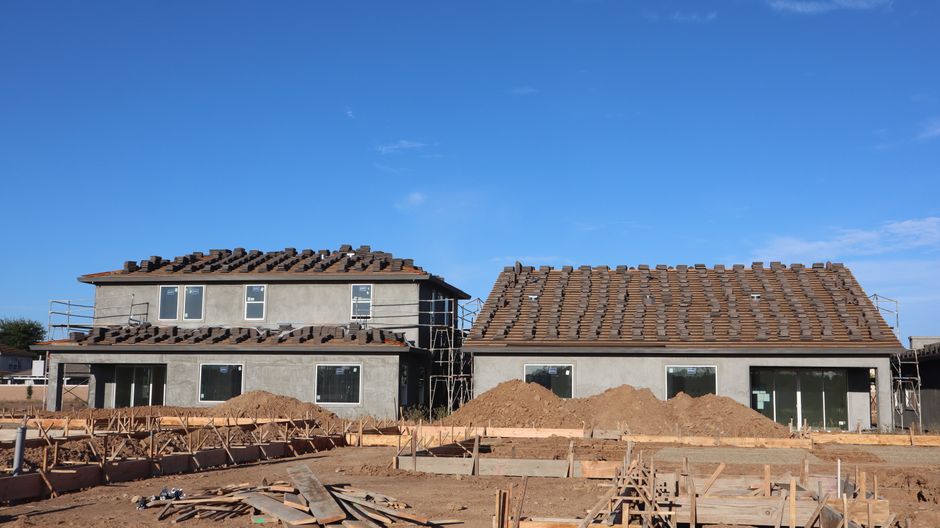
Traffic on I-5 or SR 78 is dominated by low frequency sound: truck tires, engine rumble and compression braking. Low frequencies are the hardest for any window to stop, because they push on glass and pass through it more easily than high-pitched sounds do.
Listeners generally perceive a reduction of about 10 decibels as roughly half as loud. A well-chosen acoustic window can deliver a change you notice every night, even though the freeway stays faintly audible.
Laminated Glass Is the Main Upgrade
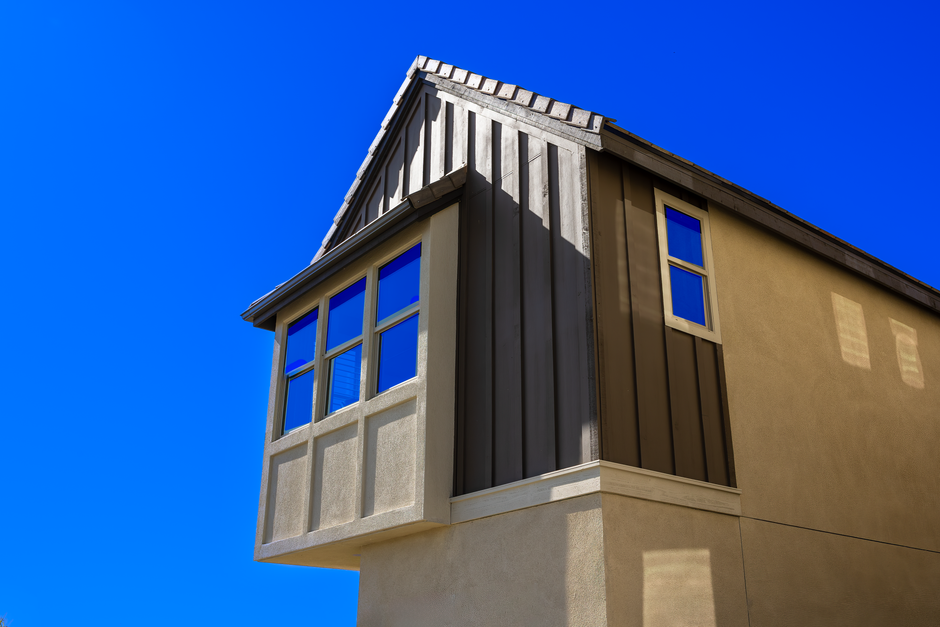
Laminated glass is two layers of glass bonded with a plastic interlayer, usually PVB or a special acoustic PVB. The interlayer damps vibration that would otherwise travel straight through the pane. This is the single biggest glass-side improvement for traffic noise.
Two related points shape the choice:
- Asymmetric panes help. A dual pane unit with panes of different thickness, such as one thicker laminated pane and one standard pane, keeps both panes from resonating at the same frequency.
- Basic dual pane can disappoint. Two thin panes with a narrow air gap can act like a drum at low frequencies, so a standard dual pane window may do less against truck rumble than people expect.
A laminated dual pane unit often outperforms a standard triple pane unit on traffic noise. More panes do not guarantee a quieter window.
Read the Ratings the Right Way
Two numbers appear on acoustic window specifications:
- STC (Sound Transmission Class) is weighted toward speech frequencies.
- OITC (Outdoor Indoor Transmission Class) is weighted toward traffic and transportation noise.
For a home near a freeway, OITC is the better guide. A high STC alone does not guarantee good freeway reduction.
Ask for the tested rating of the complete window unit in the exact configuration being purchased. A rating for the glass alone is not the same as a rating for the assembled window, which includes frame, sash and seals.
Features That Do Not Add Sound Reduction
Some upgrades are sold with noise in mind but do little for it:
- Argon or other gas fill is a thermal feature. It adds little meaningful sound reduction.
- Low-E coatings and tinted glass control heat and sun, not noise.
Carlsbad's mild coastal climate makes extreme thermal packages less critical, which frees budget for laminated glass where it counts.
Sealing Matters as Much as Glass
A small gap at the sash, meeting rail or frame perimeter lets sound through regardless of the glass. Operating style changes how well a window seals:
- Fixed picture windows seal best.
- Casement and awning windows compress their weatherstripping when closed and usually seal tighter than sliders.
- Horizontal sliders tend to leak the most at the interlock.
Many Carlsbad homes built in the 1970s and 1980s still have single pane aluminum sliders with worn pile weatherstrip. Replacing those with tightly sealing laminated units is usually where homeowners notice the biggest difference.
Installation Details on Stucco Homes
On stucco homes, retrofit installs that leave the old frame in place are common. The installer must seal the joint between the new and old frame continuously, typically with backer rod and sealant. A sloppy perimeter seal becomes the new leak path and wastes the glass upgrade.
Full frame replacement lets the installer seal and insulate the rough opening properly. It is more invasive on stucco, but it can be worth it when the old frame is damaged, out of square or leaking.
Laminated glass is also heavier. Confirm that the frame, the balances on hung windows and the rollers on sliders are rated for the added weight, or the sash may sag and stop sealing over time.
Start With the Rooms Facing the Freeway
Bedrooms with a direct line of sight to I-5 or SR 78 usually benefit most. Rooms on the far side of the house are partly shielded by the structure itself. Prioritizing the freeway-facing side spreads the budget where the noise actually enters.
Do not assume a freeway sound wall makes upgrades unnecessary. Upper floors with a line of sight over the wall can still receive plenty of noise.
Windows Only Work When They Are Closed
Carlsbad's coastal climate invites open windows much of the year. An acoustic window left open does nothing. If quiet is the goal, plan ventilation another way, such as ceiling fans, a fresh air system or air conditioning, so the upgrade actually gets used.
Check the Other Weak Links
Windows are not the only path for sound. Other openings can undercut new glass:
- Exterior doors and large sliding patio doors facing the freeway
- Mail slots
- Attic and gable vents
- Wall AC units
- Dryer vents
A big sliding patio door facing the freeway can cancel out the benefit of new windows beside it.
An Alternative: Interior Acoustic Inserts
A second window mounted inside the existing one, with a wide air space between the two, can perform very well on low frequency noise, sometimes better than a single replacement unit. This suits homeowners who want to keep existing frames, and it is worth pricing against full replacement for the loudest rooms.
Test Your Current Windows First
Before spending anything, check what you have. On a windy day, hold a tissue or an incense stick at the frame edges and meeting rails, and look for daylight around closed sashes. Movement or visible light means air and sound are getting through. New weatherstrip may be an inexpensive first step, and it also shows how much of the problem is leakage rather than glass.
Coastal Conditions and Long-Term Upkeep
Salt air corrodes hardware, rollers and fasteners, especially west of I-5 near the coast. Choose corrosion resistant hardware and rinse and clean tracks periodically. Gritty or corroded tracks keep sliders from closing fully, which reopens leak paths.
Inspect weatherstrip and perimeter sealant every few years. Sun and coastal conditions degrade seals, and acoustic performance drops as they fail.
Train Horns and Aircraft Follow the Same Rules
The rail line along the coast and aircraft near McClellan-Palomar Airport produce low frequency noise similar to freeway traffic. The same strategy applies: laminated glass, tight seals, careful installation and closed windows.
Side Benefits of Laminated Glass
Laminated glass blocks most UV, which slows fading of floors and furniture. It also holds together when broken, which helps resist break-ins. These extras come along with the noise reduction.
What to Ask Before Choosing a Window
- What is the OITC rating of the complete unit in this exact configuration?
- Is the glass laminated, and is the pane makeup asymmetric?
- Are the frame, balances or rollers rated for the glass weight?
- How will the perimeter between new and old frame be sealed?
- Is the hardware corrosion resistant for coastal air?
Clear answers to these questions separate a true acoustic window from an ordinary replacement, and they set realistic expectations: a quieter home, not a soundproof one.
Sliding, Casement or Double Hung Window for Carlsbad Ocean Breezes
2026-10-26
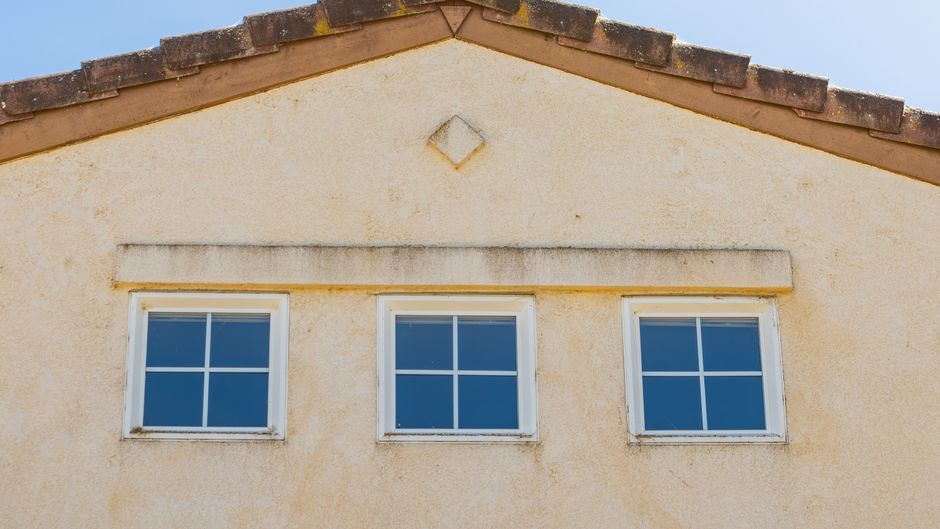
A casement window moves the most air from a single opening, but in Carlsbad the best style depends on which wall the window sits on, how much clearance is outside it, and how close the house is to the salt. A casement can be the strongest choice on a breezy west wall and a poor one beside a narrow side yard. Double hung and sliding windows each win in situations where a casement struggles.
Start With the Wall, Not the Window
Carlsbad usually gets an onshore breeze off the Pacific from the west and northwest, strongest in the afternoon. Before comparing styles, walk the house and note which walls face that breeze and which face away from it. Style choices follow from that map.
Window size matters less than people expect. A bigger window does not automatically bring more breeze. Opening type, orientation and a path for air to exit matter more than square footage.
How Much Each Style Actually Opens

A casement opens almost its full sash area to the air. A slider or a double hung opens only about half of the unit at a time, because one sash always stays in the way. When the goal is the most air from one opening, the casement wins on raw numbers.
Casements also do something the other styles cannot. Hinged on the side farthest from the wind, the open sash works as a scoop and turns breeze running along the wall into the room. Hinged the wrong way, the same sash blocks the breeze. Hinge side is a decision to make before ordering, not an afterthought.
Cross Ventilation Beats Any Single Window
Fresh air moves through a house only when it has somewhere to go. Cross ventilation needs openings on the breeze side and on the opposite side. An outlet the same size or larger than the inlet moves more air through the rooms. Opening every window on the ocean side with nothing open on the lee side adds very little flow.
That changes how to shop. A casement on the west wall pairs well with a slider or double hung on the east wall, as long as both can be opened without fuss.
When Double Hung Windows Make More Sense
A double hung window can open at the top and the bottom together. Warm air leaves through the top gap while cooler air enters at the bottom. This stack effect works on still evenings and during the morning marine layer, when there is no wind to catch.
Inland neighborhoods such as La Costa and the eastern hills run warmer and lose the sea breeze sooner than homes near the coast. There, high and low openings matter more than catching wind. Double hung windows, or casements placed high and low, suit those homes.
One caution: many windows that look like double hung are actually single hung, with a fixed top sash. Ask directly whether both sashes operate.
Where Sliders Still Earn Their Place
Many single story tract homes from the 1970s through the 1990s have narrow side yards. An outward swinging casement on those walls sticks into the walkway at head height. Beside paths, patios and side yard gates, sliders or double hung windows are the safer choice.
Sliders get an unfair reputation for leaking. A well built, well installed slider with clear weep holes performs fine. The weep holes or slots in the bottom of the frame drain water that collects in the track, and when they clog, water can spill onto the interior sill during winter storms.
Converting a wide slider opening to casements usually means a pair of casements, or a casement beside a fixed pane. A single sash can only be so wide before it sags or becomes hard to crank. Check the sightlines and the added dividers before committing.
Salt Air and Hardware
Salt corrodes window hardware, and the effect is strongest close to the beach in areas like the Village and Terramar and around the lagoons. Casement crank operators and hinges are the most exposed parts. Ask for stainless steel or coastal grade hardware. These resist corrosion but are not immune, so rinse exterior hardware and frames with fresh water every few months.
Frame material matters too:
- Vinyl and fiberglass do not corrode in salt air.
- Aluminum holds up if the factory finish is intact, but scratches and chips can corrode near the beach.
- Wood needs regular repainting or refinishing in damp, salty fog.
Vinyl is not maintenance free, either. Tracks, weeps, gaskets and screens still need cleaning.
Sand, Grit and Slider Tracks
Slider sill tracks collect sand, grit and salt crust. The sash starts to drag and the rollers wear. Vacuum the tracks and wipe them clean. If the slider is still hard to move, the rollers can usually be replaced without replacing the window.
Use dry silicone spray on slider tracks, never oil or grease. Oil and grease hold sand and turn it into an abrasive paste. For casement operators, use the lubricant the manufacturer specifies.
Santa Ana Winds and Tight Seals
In fall, Santa Ana winds blow dry and dusty from the east. Casements and awning windows close against a compression gasket and usually seal tighter against wind driven air and dust than sliders, whose seals rub against each other.
Casements need attention before a gusty day. Close them fully before strong gusts arrive, because a sash left open can be wrenched against its operator and hinges. Check that any limit stops or opening control devices are working.
Screens, Glass and Cleaning
Casements and awnings put the screen on the inside. Sliders and double hung windows put it on the outside, where salt fog hits it directly. Near the coast, aluminum mesh tends to corrode and go dull. Fiberglass or stainless mesh lasts longer.
Salt film builds up on coastal glass quickly. Tilt in double hung sashes and casements both let you clean the outside glass from indoors, which helps on second floors. Most sliders lift out for cleaning, but that is awkward on large upper panels.
Fog, Condensation and Old Aluminum
Many original aluminum sliders in older Carlsbad homes have no thermal break. They run cold and sweat on the inside during foggy mornings. Replacement frames that are thermally broken, or made of vinyl or fiberglass, reduce that moisture. They will not eliminate it if the indoor air is humid.
Sun on the West Wall
West facing windows take strong late afternoon sun and glare off the ocean. Low E glass with a low solar heat gain coating on those walls cuts heat build up, which lets ventilation cool the house instead of fighting the sun.
Awning Windows for Wet Spots
Awning windows hinge at the top and can stay open in light drizzle and fog without letting much water in. They suit bathrooms and spots high on ocean facing walls.
Night, Security and Safety
For ventilation at night or when away, a double hung opened a few inches at the top is hard to climb through. Sliders can take vent stops or a track block. Casements can be left slightly cracked with the operator locked in place.
Bedrooms add another check. A casement, slider and double hung of the same outer size give different clear openings. Confirm that any new bedroom window still opens wide and low enough for a person to climb out in an emergency.
Installation Decides How Long It Lasts
Most Carlsbad homes have stucco exteriors. A retrofit installation with a flush fin or block frame goes into the existing frame without tearing out stucco. Ask the installer how the new frame will be sealed and flashed against the old one, because that joint is where leaks start.
Installation quality matters as much as style. A sash that is out of square leaks air and binds whatever the window type. Before the installer leaves, open, close and lock every new sash.
A Practical Way to Decide
- Breezy west or northwest wall with open yard: casements, hinged on the side away from the wind.
- Wall beside a walkway, patio or gate: sliders or true double hung windows.
- Inland rooms that lose the breeze early: double hung windows, or casements set high and low.
- Bathrooms and high ocean facing spots: awning windows.
- Opposite wall of the house: whichever style opens easily, sized to match or exceed the inlet.
Casements are not always the best answer for ocean breezes. Placement, hinge side and clearance decide whether they help. Matching each style to its wall gives a Carlsbad home better airflow than choosing one style for every opening.

Nearby Service Areas
We also cover window installation in Riverside, CA.